


|
About Cayman -
Cayman Islands Information
|
|
The Cayman Islands are a British Overseas Territory. The islands are self-governed but are under the direct protection of the United Kingdom; and the Queen of England is depicted on Cayman Islands currency and postal stamps. The people here speak English, although there are many other languages spoken by its’ inhabitants. Christopher Columbus first sighted Cayman Brac and Little Cayman on 10 May 1503 during his fourth trip to the New World. Columbus was en route to Hispaniola when his ship was thrust westward toward "two very small and low islands, full of tortoises, as was all the sea all about, insomuch that they looked like little rocks, for which reason these islands were called Las Tortugas." Grand Cayman soon became an important port of call for seafarers to restock on fresh meat, water and the silver thatch palm used for rope making. One of the favourite meat sources of these early visitors was the caiman, a small crocodilian creature that inhabited the mangroves and from which Cayman was renamed. Unfortunately, an early taste for these reptiles was so great that they were hunted to extinction. There are no caimans, crocodiles or alligators here now; although in 2007 a large crocodile was caught in the mangroves, the mystery of where it had come from has never been solved. |
|
Last Updated on Saturday, 09 January 2010 03:11 |
|
[read more:Cayman Islands Overview]
|
|
About Cayman -
Cayman Islands Financial Services
|
|
Cayman’s Offshore Financial Success Explained
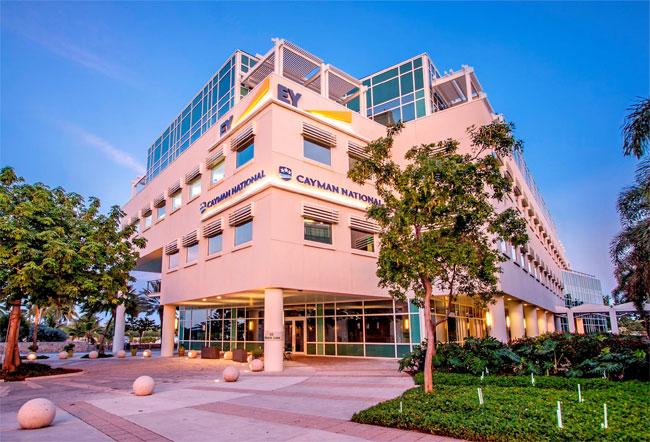
For almost four decades the Cayman Islands has enjoyed unprecedented economic growth as a direct result of its financial services industry. While the tourist sector continues to play a very important part in the domestic economy, Cayman’s real wealth has been generated by its offshore services and tax neutral status. The growth of the country’s financial golden goose started, so legend has it, as far back as 1794. In the swashbuckling days of pirates and tall ships it is said that a convoy of produce laden ships headed to England from Jamaica ran aground on the reef located off the east coast of Grand Cayman. The tale of the “Wreck of the Ten Sails” suggests that as this maritime tragedy struck, the people of East End came to the rescue in their small crafts and saved the lives of some 400 men who were aboard the merchant ships. In the wake of their heroic feat, the story has it that, as a reward the reigning British monarch, King George III, awarded the Cayman Islands its tax free status.
|
|
Last Updated on Saturday, 09 January 2010 03:06 |
|
[read more:Offshore Financial Success]
|
|
About Cayman -
Cayman Islands Information
|
|
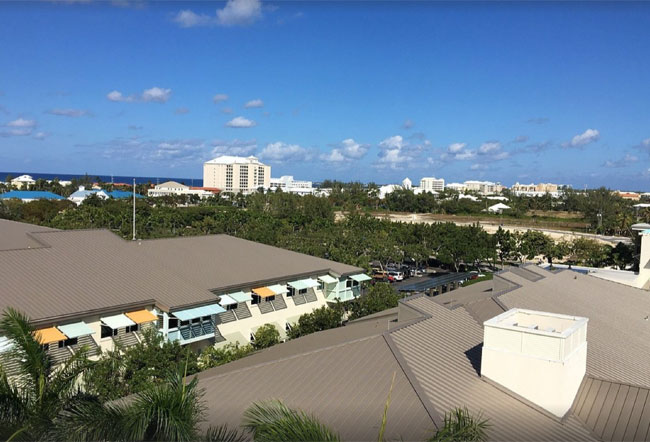
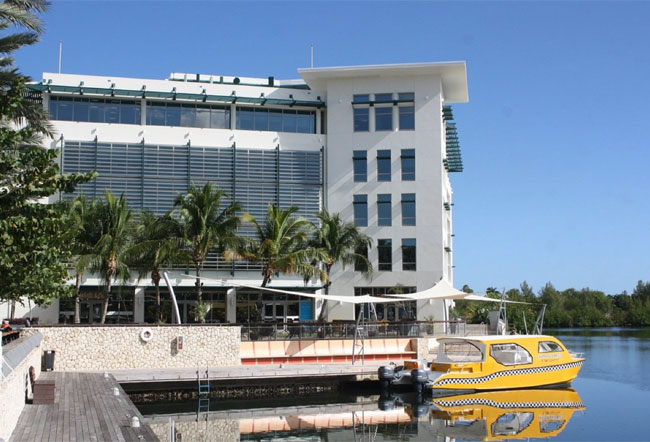
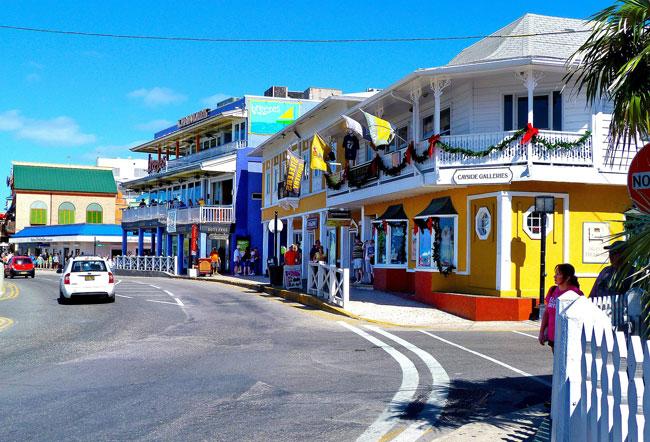
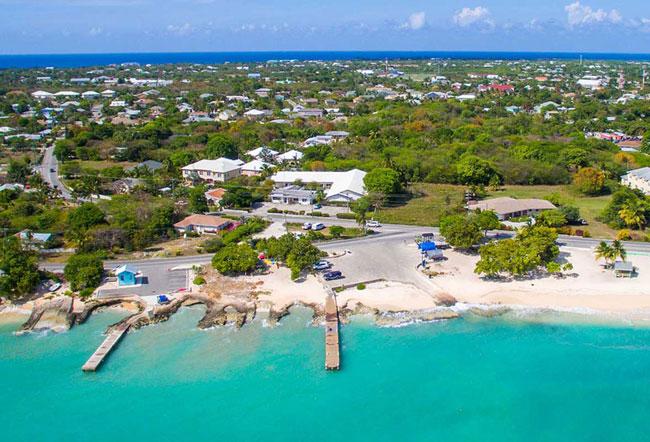
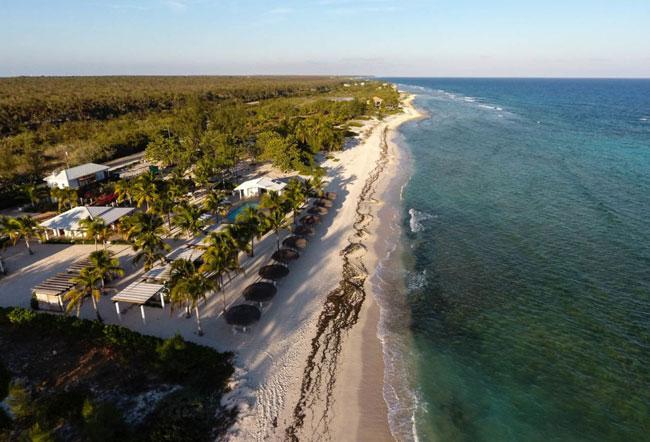
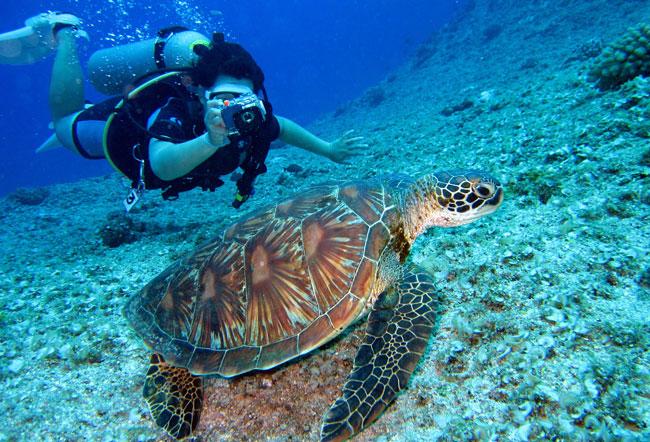
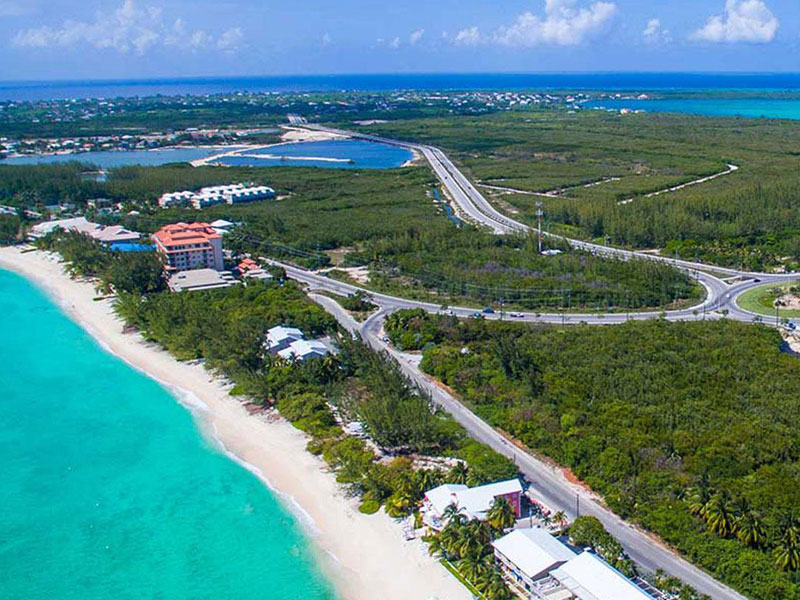
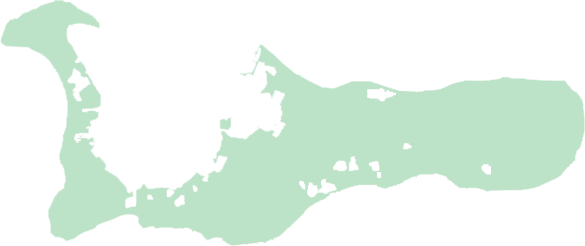
Grand Cayman island is the largest and most cosmopolitan of the three Cayman Islands, is about 22 miles long with an average width of four miles. George Town, the capital, is on the western shore of Grand Cayman. The wide diversity found in Grand Cayman blends rich local tradition with international influences to create a truly unique atmosphere. From the crystal blue water and powder-white sand of Seven Mile Beach to George Town, the main shopping and financial hub, Grand Cayman offers something for everyone. Dive, snorkel or simply splash in the warm, crystal-clear waters that are the islands' hallmark. Considering the size of the island, Grand Cayman provides a dizzying array of activities to sustain a huge range of interests. Whether you're looking for the adventure of a lifetime or just a few days of respite, Grand Cayman is the quintessential "place to be." |
|
Last Updated on Saturday, 09 January 2010 03:10 |
|
Discover Grand Cayman
|
|
About Cayman -
Cayman Islands Real Estate
|
|
One of the main factors that truly sets Cayman apart from most other Caribbean islands is that Cayman has no direct taxes: • no income tax • no capital gains tax • no property tax • no inheritance tax. The Cayman Islands real estate market offers the serious investor many great opportunities to make substantial gains over their investment in just a few years. There are a number of reasons why real estate investors are attracted to the Cayman Islands. There are no restrictions on foreign ownership of land in the Cayman Islands. A modern land registration system is run by the Government's Department of Lands and Survey. Stamp duty is payable on transfers of land and mortgage deeds. |
|
Last Updated on Saturday, 09 January 2010 02:56 |
|
[read more: Why Invest in Cayman Real Estate?]
|
|
travel -
Visitor Guide
|
|
Before visiting a vacation spot for the first time, it is always a good idea to do your homework and research the top 'need-to-know' facts regarding your intended destination, to make sure your visit goes smoothly. Among the most important topics covered in the collection of vacation tips for the Cayman Islands include: What to Take, Where to Stay, Health & Safety, Taxes, Family Travel, and much more... |
|
Last Updated on Wednesday, 03 December 2008 10:15 |
|
[read more: Vacation Tips]
|
|
travel -
Visitor Guide
|
Caribbean Vacations: Cayman Islands vs. other tropical destinations
For many people around the world, a dream Caribbean vacation means leaving the daily grind behind for a few days or a few weeks and flying off to a little corner of paradise – and with the development of a strong Caribbean tourism industry, this has become a dream that actually comes true for millions of vacationers each year. Soft sandy beaches, warm blue water, the sound of waves splashing on the shore and palm trees gently swaying in the breezes – these things are intrinsically soothing, the ultimate in total relaxation. From all parts of the world, vacationers set off to find a tropical haven in the Caribbean where they can unwind, slip into the slower pace of island life, do a little fishing, diving or just soak up the sun – and regain their sanity. |
|
Last Updated on Sunday, 02 November 2008 03:42 |
|
[read more: Why Visit Cayman?]
|
|
|